In Practice
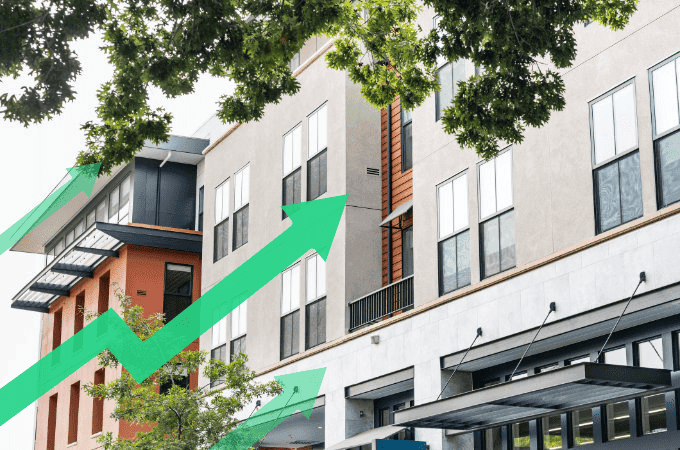
The exact cut-offs vary by market and by who is describing the building, but the common pattern is that mid-rise buildings sit somewhere around four to nine stories and high-rise buildings go beyond that. Both usually have elevators, interior corridors, shared lobbies and often structured parking.
Operations differ from garden-style properties. Building systems take center stage: elevators, fire alarms and sprinklers, boilers or chillers, and rooftop equipment. Many need licensed vendors and regular inspections, so vendor management and compliance calendars matter. Move-ins and move-outs need elevator reservations, protective padding and set times. Many high-rises also have front desk or concierge staff and security.
Here is an example. A resident wants to move on Saturday. The team books the freight elevator, collects any required move fee or deposit where allowed, gives the resident the rules and checks the elevator and hallways before and after.
A common mistake is letting an elevator outage or inspection date surprise you. Track inspection and permit dates and keep a plan for outages, especially for residents with mobility needs. Codes, fire safety and accessibility rules vary by city and state, so confirm what applies to your building.
Not to Be Confused With
Mid-rise and high-rise buildings are taller and rely on elevators and building systems. Garden-style properties are low-rise with outdoor access.
Mid-Rise and High-Rise: Common Questions
How many stories is a mid-rise?
Commonly around four to nine, though definitions vary by market and by code.
What is the difference between mid-rise and high-rise?
Mostly height: high-rise buildings are taller, often ten stories or more. Building codes may use specific height thresholds, so check your local code.
What is it like to manage a high-rise?
Expect more building systems, vendor contracts, inspections and shared-space rules, often with front desk or security staff.